Back to top

All NCTSN Resources

The following resources on child trauma were developed by the NCTSN. To find a specific topic or resource, enter keywords in the search box, or filter by resource type, trauma type, language, or audience.

NCTSN Resource

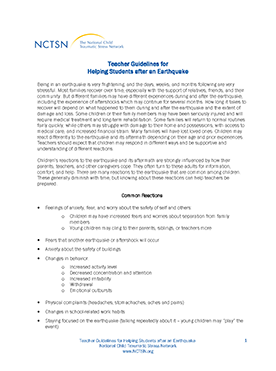
Teacher Guidelines for Helping Students after an Earthquake

Type: Fact Sheet

Offers teachers guidance on helping students after an earthquake. This fact sheet describes common reactions students may have, how teachers and school staff can help, as well as engage in self-care after an earthquake.

NCTSN Resource

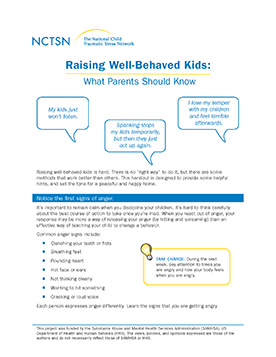
Physical Punishment: What Parents Should Know

Type: Fact Sheet

Provides parents with information on the negative impact of physical punishment, and introduces parents to effective alternatives to physically disciplining their children.

NCTSN Resource

PFA: Alcohol and Drug Use After Disasters (in Japanese)

Type: Fact Sheet

Is a handout from Psychological First Aid Field Operations Guide (PFA). This handout offers information on alcohol, medication, and drug use after a disaster, as well as tips for those who have had an alcohol or drug problem in the past.

NCTSN Resource

PFA: Basic Relaxation Techniques (in Japanese)

Type: Fact Sheet

Is a handout from Psychological First Aid Field Operations Guide (PFA). This handout offers brief tips for relaxation for yourself, your children, and ways to make a game out of it. This is the Japanese version 基本的なリラクゼーションテクニック

NCTSN Resource

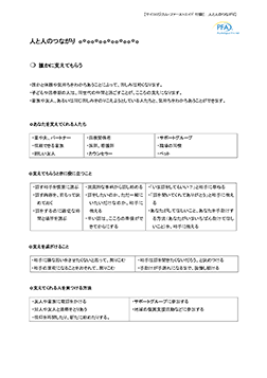
PFA: Connecting with Others Seeking Social Support (in Japanese)

Type: Fact Sheet

Is a handout from Psychological First Aid Field Operations Guide (PFA). This handout offers information to survivors on seeking social support, social support options, what survivors can do, what survivors should not do, and ways to get connected.

NCTSN Resource

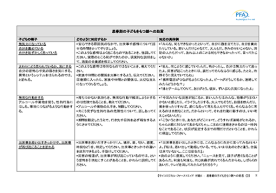
PFA: Parent Tips for Helping Adolescents (in Japanese)

Type: Fact Sheet

Is a handout from Psychological First Aid Field Operations Guide (PFA). This handout provides parents with common reactions after a disaster, ways to respond to those reactions, and examples of things you can say to your adolescent. This is the Japanese version 青少年を助けるための親のヒント

Pages