NCTSN Resource
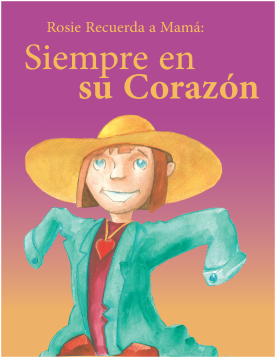
Rosie Recuerda a Mamá: Siempre en su corazón
Type: Special Resource
Este libro cuenta la historia de Rosie, una niña que está teniendo dificultades después de la muerte de su madre.

The following resources on child trauma were developed by the NCTSN. To find a specific topic or resource, enter keywords in the search box, or filter by resource type, trauma type, language, or audience.
Este libro cuenta la historia de Rosie, una niña que está teniendo dificultades después de la muerte de su madre.
Presents Joshua, whose mom abandoned him when he was a few days old. For the first three years of his life, Joshua lived with his maternal grandmother and her partner. When Joshua began preschool, his teachers had some concerns about his overall hygiene and care.
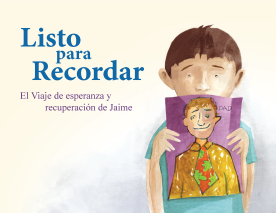
Este libro cuenta la historia de Jaime, un niño de 10 años, después de pasar por la trágica muerte de su padre. Jaime está experimentando una reacción traumática y está teniendo dificultades en la escuela y en la casa.

Brings to life the story of Jeremy, a 10-year-old boy, following the tragic death of his father. This video walks you through Jeremy's story and describes his journey as he and his family get help and are able to enjoy happy memories together. This story is read by Liliana Montenegro.

Brings to life the story of Rosie, a young girl who is struggling after the death of her mother. This video walks you through Rosie's story and illustrates how a parent can provide solace and support to a child after the death of a loved one.
Provides external resources related to sexual assault and National Sexual Assault Awareness Month.

Describes developmental, cultural, and clinical aspects of Childhood Traumatic Separation (CTS); similarities and differences between CTS and Childhood Traumatic Grief (CTG); and how evidence-based trauma treatments for CTG can be applied for children with CTS.
Depicts Debbie, a 10 year old multiracial girl who lives with her 27 year old African American mother Sharon. Sharon has struggled for years with substance abuse. The family lived for several years in a shared space which was quite chaotic.
Presents eleven-year-old Clara in her third treatment session, sharing about the first sexual abuse she experienced. Clara’s growing discomfort is evident as she describes her mother’s former live-in boyfriend, Michael, and how the abuse progressed.
Depicts Maya, a 9-year-old girl, was referred for therapy due to numerous instances of domestic violence by her father toward her mother (some of which she witnessed), physical abuse by her father, and possible sexual abuse with no specific disclosures.
Presents Adam, a 15-year-old Caucasian male who grew up in the suburbs outside of Chicago with his mother, father, and two sisters. His family is pretty well off financially and he and his siblings all attend private school, have personal tutors, and enjoy horseback riding and soccer.
Includes articles that range from how NCTSN leadership and missions are linked with other trauma-focused organizations, such as the International Society for the Study of Traumatic Stress.