LGBTQ Issues and Child Trauma
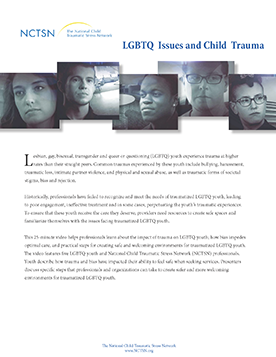
Offers an introduction to the Safe Places, Safe Spaces video. This fact sheet gives a brief overview for working with LGBTQ youth as well as a synopsis of the video, and suggested resources.
The following resources on child trauma were developed by the NCTSN. To find a specific topic or resource, enter keywords in the search box, or filter by resource type, trauma type, language, or audience.

Offers an introduction to the Safe Places, Safe Spaces video. This fact sheet gives a brief overview for working with LGBTQ youth as well as a synopsis of the video, and suggested resources.

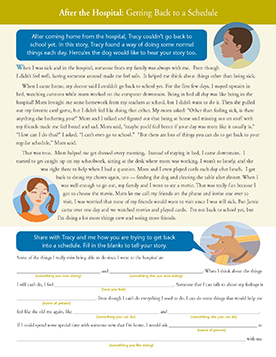
Helps educators and school staff recognize the signs and symptoms of complex trauma and offers recommendations on how to help students heal.

Provides information to children who have experienced medical trauma.

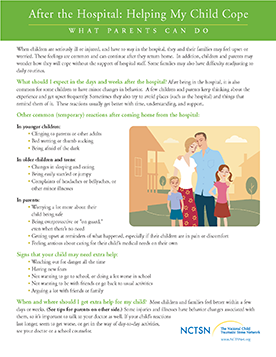
Offers tips parents can use to help themselves understand a child's behavior following a hospitalization. These tips assist parents with helping their child cope after a hospital stay.

Offers parents guidance to parents about how to support your teen while at the hospital before, during, or after a medical procedure.

Offers activities and a scenario for youth who have been ill or injured to help understand what it is they might be feeling.

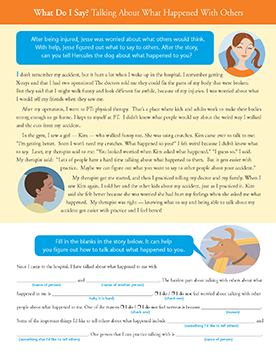
Provides information to youth about how to talk about medical trauma with others. This tip sheet, a part of the Pediatric Medical Traumatic Stress Toolkit, includes a scenario to read that describes how therapy helped the youth in the story.

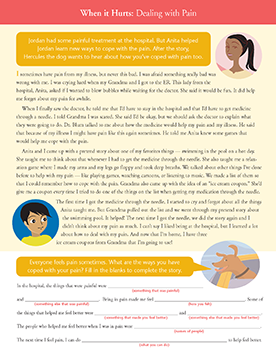
Provides children with information and activities to help cope with pain after an injury, illness, or medical stay.

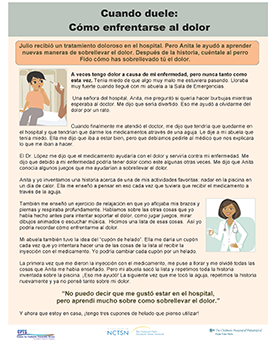
Brinda a los niños información y actividades para ayudarles a lidiar con el dolor después de una lesión, enfermedad o internamiento médico. Esta hoja informativa forma parte del Kit de Herramientas para el Estrés Traumático Médico Pediátrico, para Proveedores de Servicios de Salud.

Ofrece actividades y una historia para que los jóvenes que han estado enfermos o lesionados, comprendan lo que podrían estar sintiendo.

Ofrece consejos para ayudar a los padres a comprender el comportamiento de un niño después de una hospitalización y, consejos que los padres pueden usar para ayudar a su hijo a sobrellevar la situación después de la hospitalización.

Proporciona información para los niños que han experimentado un trauma médico.