Coping in Hard Times: Fact Sheet for Youth High School and College Age
Helps high school students and young adults understand how economic difficulties may affect them and provides suggestions on how they can cope during these uncertain times.
The following resources on child trauma were developed by the NCTSN. To find a specific topic or resource, enter keywords in the search box, or filter by resource type, trauma type, language, or audience.

Helps high school students and young adults understand how economic difficulties may affect them and provides suggestions on how they can cope during these uncertain times.

Helps parents understand how economic difficulties can affect their families, in terms of their sense of safety, connectedness, and hope. The fact sheet also helps families find ways to cope during uncertain times.

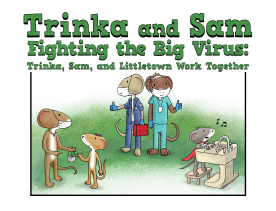
Offers ways to support children and talk to them about COVID-19.

Discusses how challenging financial circumstances affect communities, their organizations, their members’ sense of safety and ability to calm, self- and community- efficacy, connectedness, and hope.
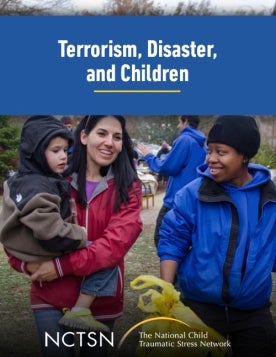
Los Primeros Auxilios Psicológicos constituyen un enfoque modular basado en la evidencia y cuyo objetivo es ayudar a niños, adolescentes, adultos y familias a afrontar las consecuencias inmediatas de desastres o actos de terrorismo.
Provides our team’s developmental recommendations for modifying proposed Prolonged Grief Disorder criteria, including a brief commentary accompanying each recommended change.
Introduces Enrique Sanchez, a young immigrant father who brought his seven-year-old son, Joaquin, to a new country without the rest of their family. The therapist, Dr.

Provides external resources related to child physical abuse and Child Abuse Prevention Month.

Provides external resources related to sexual assault awareness.
Reviews the draft diagnostic criteria and proposed developmental modifications. He will also discuss some of the implications, risks, and opportunities that a new grief disorder can bring to the field of child and adolescent bereavement.
Summarizes the evidence to date regarding Persistent Complex Bereavement Disorder, a provisional disorder listed in the appendix of DSM-5 and provides an overview of multidimensional grief theory and how it can be used to guide modularized, assessment-driven treatment of bereaved youth.
Contains recommendations for developmental modifications to DSM-5-TR Prolonged Grief Disorder criteria.