The National Child Traumatic Stress Network
Published on The National Child Traumatic Stress Network (https://www.nctsn.org)

Home > Families and Caregivers

Parents and caregivers play an essential role in helping children and teenagers recover from traumatic events. These resources are for parents, adoptive parents, resource/foster parents, grandparents, caregivers, and all others who care for children and teens. The more caregivers learn about how traumatic events affect their children (whether toddler, school-age, teen, youth, or adult), the more they understand the reasons for their children’s behaviors and emotions, and the better prepared they are to help them cope. When children know that caring adults are working to keep them safe and support them in understanding their reactions to trauma, most can recover and go on to live healthy and productive lives.

NCTSN Resource

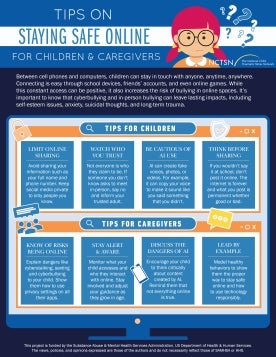
Staying Safe Online [1]

Type: Infographic

Offers practical tips for children and caregivers to stay safe online, recognize the risks of cyberbullying and AI misuse, and promote healthy, responsible digital habits.

view [1]
NCTSN Resource

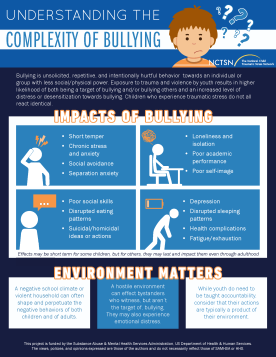
The Complexity of Bullying [2]

Type: Infographic

Explores the complex relationship between bullying and trauma. Highlights how both targets and perpetrators can be affected by their environments and how these experiences shape emotional and behavioral responses.

view [2]
NCTSN Resource

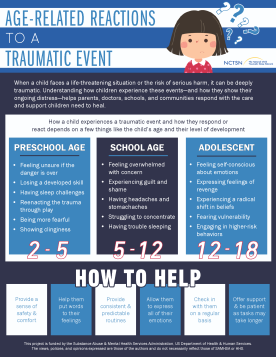
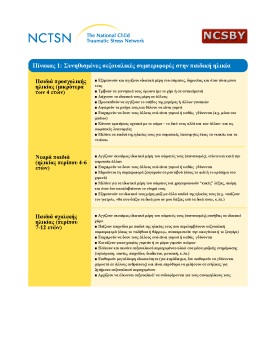
Age-Related Reactions to a Traumatic Event [3]

Type: Infographic

Explains how children of different ages may react to traumatic events and offers simple strategies for parents, caregivers, and communities to provide support and promote healing.

view [3]
NCTSN Resource

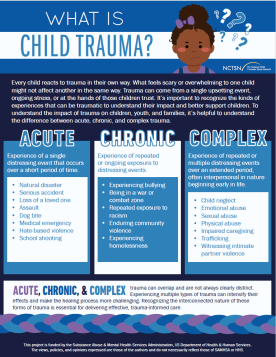
What Is Child Trauma? [4]

Type: Infographic

Discusses the differences between acute, chronic, and complex trauma and how each trauma type uniquely affects children. Emphasizes the importance of recognizing their overlap to provide effective trauma-informed care.

view [4]
NCTSN Resource

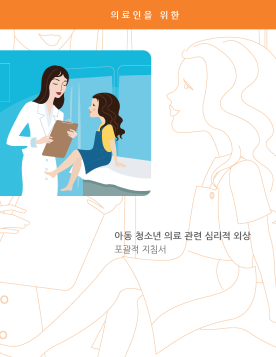
Pediatric Medical Traumatic Stress Toolkit for Health Care Providers (in Korean) [5]

Type: Resource Guide

Offers a compendium of tools to guide medical professionals in effectively assessing and treating medical traumatic stress in children and families. This toolkit helps providers address the emotional, as well as the physical side of trauma.

view [5]
NCTSN Resource

Helping Military Children with Traumatic Grief: Tips for Parents (in Ukrainian) [6]

Type: Fact Sheet

Offers information on military children who are grieving the loss of a loved one. This tip sheet describes how military children dealing with trauma and grief responses may be feeling and what parents can do to help. Translated in 2025.

view [6]
NCTSN Resource

Traumatic Grief in Military Children: Information for Families in Ukrainian) [7]

Type: Fact Sheet

Provides parents and caregivers with information about traumatic grief in military children.

view [7]
NCTSN Resource

For Military Parents and Caregivers: Supporting Your Children Throughout Deployment [8]

Type: Fact Sheet

Provides military parents and caregivers with several ways to mitigate the negative effects of deployment including maintaining well-being, fostering positive family dynamics, and using effective parenting strategies.

view [8]
NCTSN Resource

Supporting Families with Large Community Events [9]

Type: Fact Sheet

Provides information for parents and caregivers about how to support their family when a large community event is happening in their city or town.

view [9]
NCTSN Resource

Sexual Development and Behavior in Children: Table [10]

Type: Fact Sheet

Provides parents and caregivers information on sexual development and behavior in children.

view [10]
NCTSN Resource

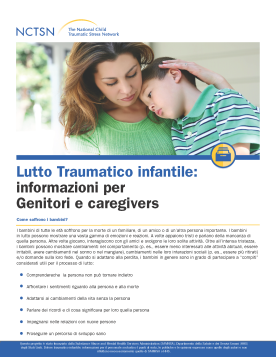
Childhood Traumatic Grief: Information for Parents and Caregivers (in Italian) [11]

Type: Fact Sheet

Provides information to parents and caregivers on Childhood Traumatic Grief.

view [11]
NCTSN Resource

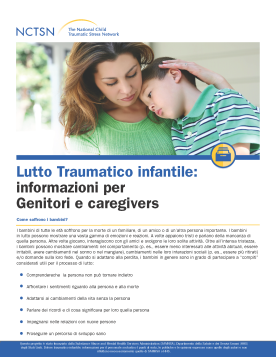
Childhood Traumatic Grief: Information for School Personnel (in Italian) [12]

Type: Fact Sheet

Offers information on why school personnel are important for grieving students. Translated in 2024.

view [12]

Pages

  • FIRST [13]
  • PREVIOUS [13]
  • 1 [13]
  • 2
  • 3 [14]
  • 4 [15]
  • 5 [16]
  • 6 [17]
  • 7 [18]
  • 8 [19]
  • 9 [20]
  • …
  • NEXT [14]
  • LAST [21]

Source URL:https://www.nctsn.org/audiences/families-and-caregivers?page=1

Links
[1] https://www.nctsn.org/resources/nctsn-online-safety [2] https://www.nctsn.org/resources/complexity-of-bullying [3] https://www.nctsn.org/resources/nctsn-arr-infographic [4] https://www.nctsn.org/what-is-child-trauma-infographic [5] https://www.nctsn.org/resources/pediatric-medical-traumatic-stress-toolkit-health-care-providers-ko [6] https://www.nctsn.org/resources/helping-military-children-traumatic-grief-tips-parents-uk [7] https://www.nctsn.org/resources/traumatic-grief-military-children-information-families-uk [8] https://www.nctsn.org/resources/for-military-parents-and-caregivers-supporting-your-children-throughout-deployment [9] https://www.nctsn.org/resources/supporting-families-with-large-community-events [10] https://www.nctsn.org/resources/sexual-development-and-behavior-children-table-gr [11] https://www.nctsn.org/resources/childhood-traumatic-grief-information-for-parents-and-caregivers-it [12] https://www.nctsn.org/resources/childhood-traumatic-grief-information-for-school-personnel-it [13] https://www.nctsn.org/print/898 [14] https://www.nctsn.org/print/898?page=2 [15] https://www.nctsn.org/print/898?page=3 [16] https://www.nctsn.org/print/898?page=4 [17] https://www.nctsn.org/print/898?page=5 [18] https://www.nctsn.org/print/898?page=6 [19] https://www.nctsn.org/print/898?page=7 [20] https://www.nctsn.org/print/898?page=8 [21] https://www.nctsn.org/print/898?page=12