The National Child Traumatic Stress Network
Published on The National Child Traumatic Stress Network (https://www.nctsn.org)

Home > Families and Caregivers

Parents and caregivers play an essential role in helping children and teenagers recover from traumatic events. These resources are for parents, adoptive parents, resource/foster parents, grandparents, caregivers, and all others who care for children and teens. The more caregivers learn about how traumatic events affect their children (whether toddler, school-age, teen, youth, or adult), the more they understand the reasons for their children’s behaviors and emotions, and the better prepared they are to help them cope. When children know that caring adults are working to keep them safe and support them in understanding their reactions to trauma, most can recover and go on to live healthy and productive lives.

NCTSN Resource

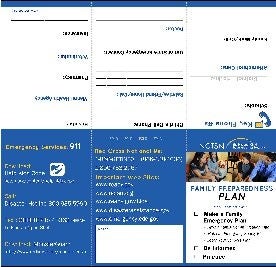
Family Preparedness Wallet Card [1]

Type: Special Resource

Allows families to list important telephone numbers and other information that could be useful in the case of an emergency. Each member of the family should carry these cards with them at all times in case an event occurs and all family members are not together.

view [1]
NCTSN Resource

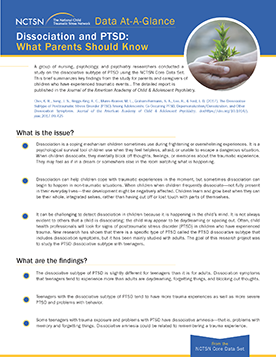
Data At-A-Glance: Dissociation and PTSD - What Parents Should Know [2]

Type: Fact Sheet

Provides parents with information about dissociation and PTSD.

view [2]
NCTSN Resource

Attachment Vitamins: Interactive Course on Early Childhood Attachment, Stress, and Trauma [3]

Type: eLearning Course

Helps learners support children and families through the early years of a child’s life and development.

view [3]
NCTSN Resource

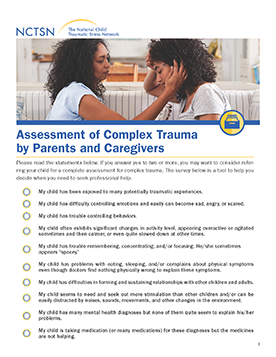
Assessment of Complex Trauma by Parents and Caregivers [4]

Type: Fact Sheet

Offers parents and caregivers a brief checklist to use to determine if a complete assessment for complex trauma should be scheduled. This fact sheet will help parents and caregivers determine when to seek professional help.

view [4]
NCTSN Resource

Resource Parent Curriculum (RPC) Training Modules [5]

Type: eLearning Course

Complements the Resource Parent Curriculum (RPC). This course is for resource families who are considering attending a RPC training to help them determine whether it would be worth their time to attend an entire workshop.

view [5]
NCTSN Resource

Trauma-Informed Parenting: How to Talk Trauma with an MD [6]

Type: Webinar

Features a trauma-informed caregiver discussing how to partner with a variety of providers including pediatricians.

view [6]
NCTSN Resource

What's SHARING POWER Got to Do with Trauma-Informed Practice? [7]

Type: Fact Sheet

Encourages providers to share power in the context of trauma-responsive practice.

view [7]
NCTSN Resource

Help Kids Cope [8]

Type: Mobile App

Helps parents talk to their kids about the disasters they may face and know how best to support them throughout—whether sheltering-in-place at home, evacuating to a designated shelter, or helping your family heal after reuniting.

view [8]
NCTSN Resource

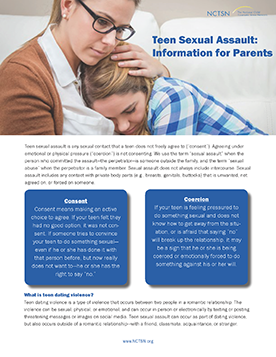
Teen Sexual Assault: Information for Parents [9]

Type: Fact Sheet

Defines key terms, including consent and coercion, and offers guidance to parents related to dating violence and sexual assault.

view [9]
NCTSN Resource

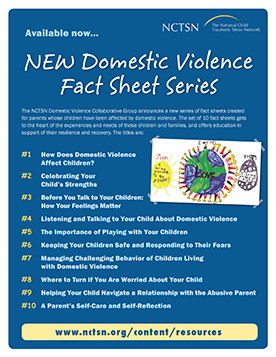
Children and Domestic Violence for Parents Fact Sheet Series [10]

Type: Fact Sheet

Offers support to parents whose children have been affected by domestic violence. This fact sheet series provides education to support their resilience and recovery.

view [10]
NCTSN Resource

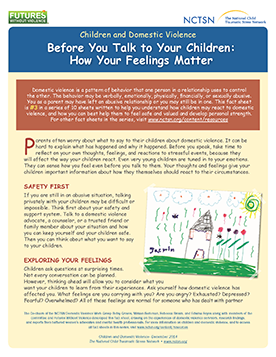
Children and Domestic Violence: Before You Talk to Your Children: How Your Feelings Matter [11]

Type: Fact Sheet

Provides parents information on how to talk to children about domestic violence. This fact sheet discusses the importance of recognizing and dealing with one's own feelings before talking to children.

view [11]
NCTSN Resource

Rosie Remembers Mommy: Forever in Her Heart [12]

Type: Special Resource

Illustrates how a parent can provide solace and support to a child after the death of a loved one.

view [12]

Pages

  • FIRST [13]
  • PREVIOUS [14]
  • …
  • 4 [15]
  • 5 [16]
  • 6 [17]
  • 7 [14]
  • 8
  • 9 [18]
  • 10 [19]
  • 11 [20]
  • 12 [21]
  • NEXT [18]
  • LAST [22]

Source URL:https://www.nctsn.org/audiences/families-and-caregivers?page=7

Links
[1] https://www.nctsn.org/resources/family-preparedness-wallet-card [2] https://www.nctsn.org/resources/data-glance-dissociation-and-ptsd-what-parents-should-know [3] https://www.nctsn.org/resources/attachment-vitamins-interactive-course-early-childhood-attachment-stress-and-trauma [4] https://www.nctsn.org/resources/assessment-complex-trauma-parents-and-caregivers [5] https://www.nctsn.org/resources/resource-parent-curriculum-rpc-training-modules [6] https://www.nctsn.org/resources/trauma-informed-parenting-how-talk-trauma-md [7] https://www.nctsn.org/resources/whats-sharing-power-got-do-trauma-informed-practice [8] https://www.nctsn.org/resources/help-kids-cope [9] https://www.nctsn.org/resources/teen-sexual-assault-information-parents [10] https://www.nctsn.org/resources/children-and-domestic-violence-parents-fact-sheet-series [11] https://www.nctsn.org/resources/children-and-domestic-violence-you-talk-your-children-how-your-feelings-matter [12] https://www.nctsn.org/resources/rosie-remembers-mommy-forever-her-heart [13] https://www.nctsn.org/print/898 [14] https://www.nctsn.org/print/898?page=6 [15] https://www.nctsn.org/print/898?page=3 [16] https://www.nctsn.org/print/898?page=4 [17] https://www.nctsn.org/print/898?page=5 [18] https://www.nctsn.org/print/898?page=8 [19] https://www.nctsn.org/print/898?page=9 [20] https://www.nctsn.org/print/898?page=10 [21] https://www.nctsn.org/print/898?page=11 [22] https://www.nctsn.org/print/898?page=12