NCTSN Resource
Cómo ayudar a su hijo a manejar una relación con un padre abusivo [1]
Type: Fact Sheet
Ofrece información para los padres sobre cómo hablar con los niños sobre violencia doméstica.

Parents and caregivers play an essential role in helping children and teenagers recover from traumatic events. These resources are for parents, adoptive parents, resource/foster parents, grandparents, caregivers, and all others who care for children and teens. The more caregivers learn about how traumatic events affect their children (whether toddler, school-age, teen, youth, or adult), the more they understand the reasons for their children’s behaviors and emotions, and the better prepared they are to help them cope. When children know that caring adults are working to keep them safe and support them in understanding their reactions to trauma, most can recover and go on to live healthy and productive lives.
Ofrece información para los padres sobre cómo hablar con los niños sobre violencia doméstica.
Ofrece información para los padres sobre cómo hablar con los niños sobre violencia doméstica. Esta hoja informativa le ayuda a entender cómo pueden reaccionar los niños a la violencia doméstica, y cómo mejor mantenerlos seguros y valorados y desarrollar la fortaleza personal.
Ofrece información para los padres sobre cómo hablar con los niños sobre violencia doméstica. Esta hoja informativa habla sobre la importancia de escuchar y hablarle a los niños sobre la violencia doméstica.

Ofrece información para los padres sobre cómo hablar con los niños sobre violencia doméstica. Esta hoja informativa habla sobre cómo manejar comportamientos difíciles en niños que viven en un entorno de violencia doméstica.
Ofrece información para los padres sobre cómo hablar con los niños sobre violencia doméstica. Esta hoja informativa habla sobre cómo resguardar a los niños y responder a sus temores.

Provides questions that Trinka and Sam have about the big virus and ways to answer those questions. This companion story includes common questions that children may have about COVID-19.
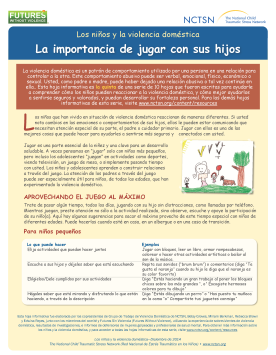
Ofrece información para los padres sobre cómo hablar con los niños sobre violencia doméstica. Esta hoja informativa habla de la importancia de jugar con niños expuestos a la violencia doméstica.
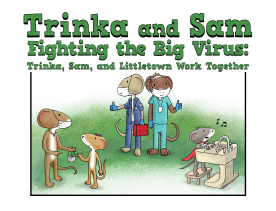
Helps young children and families talk about their experiences and feelings related to COVID-19 and the need to shelter in place. In the story, the coronavirus has spread to Littletown causing changes in everyone's lives.

Ofrece información para los padres sobre cómo hablar con los niños sobre violencia doméstica. Esta hoja informativa habla sobre cómo la violencia doméstica afecta a los niños.
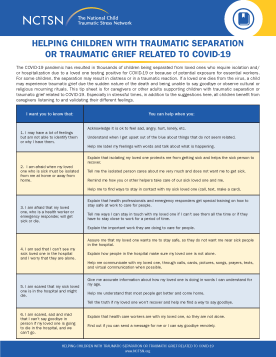
Offers information on how to talk with chlidren about traumatic separation or traumatic grief as it relates to the COVID-19 pandemic. COVID-19 has resulted in thousands of children being separated from loved ones who require isolation and/or hospitalization due to a loved one testing positive fo
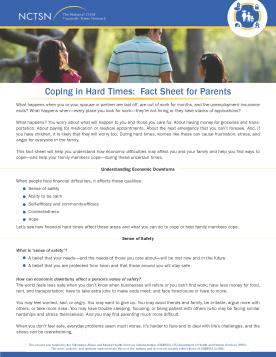
Helps parents understand how economic difficulties can affect their families, in terms of their sense of safety, connectedness, and hope. The fact sheet also helps families find ways to cope during uncertain times.
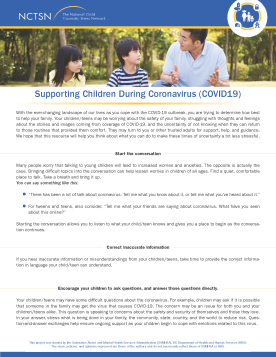
Offers ways to support children and talk to them about COVID-19.
Links
[1] https://www.nctsn.org/resources/children-and-domestic-violence-helping-your-child-navigate-relationship-abusive-parent-sp
[2] https://www.nctsn.org/resources/children-and-domestic-violence-celebrating-your-childs-strengths-sp
[3] https://www.nctsn.org/resources/children-and-domestic-violence-listening-and-talking-your-child-about-domestic-violence-sp
[4] https://www.nctsn.org/resources/children-and-domestic-violence-managing-challenging-behavior-children-living-domestic-sp
[5] https://www.nctsn.org/resources/children-and-domestic-violence-keeping-your-children-safe-and-responding-their-fears-sp
[6] https://www.nctsn.org/resources/fighting-the-big-virus-trinka-and-sam-questions
[7] https://www.nctsn.org/resources/children-and-domestic-violence-importance-playing-your-children-sp
[8] https://www.nctsn.org/resources/trinka-and-sam-fighting-the-big-virus
[9] https://www.nctsn.org/resources/children-and-domestic-violence-how-does-domestic-violence-affect-children-sp
[10] https://www.nctsn.org/resources/helping-children-with-traumatic-separation-or-traumatic-grief-related-to-covid-19
[11] https://www.nctsn.org/resources/coping-hard-times-fact-sheet-parents
[12] https://www.nctsn.org/resources/supporting-children-during-coronavirus-covid19
[13] https://www.nctsn.org/print/898
[14] https://www.nctsn.org/print/898?page=4
[15] https://www.nctsn.org/print/898?page=1
[16] https://www.nctsn.org/print/898?page=2
[17] https://www.nctsn.org/print/898?page=3
[18] https://www.nctsn.org/print/898?page=6
[19] https://www.nctsn.org/print/898?page=7
[20] https://www.nctsn.org/print/898?page=8
[21] https://www.nctsn.org/print/898?page=9
[22] https://www.nctsn.org/print/898?page=12