The National Child Traumatic Stress Network
Published on The National Child Traumatic Stress Network (https://www.nctsn.org)

Home > What is Child Trauma? > Trauma Types > Disasters > COVID-19 Resources

Public health is the science of protecting and improving the health of people and their communities. This work is achieved by promoting healthy lifestyles, researching disease and injury prevention, and detecting, preventing and responding to infectious diseases. Overall, public health is concerned with protecting the health of entire populations. These populations can be as small as a local neighborhood, or as big as an entire country or region of the world (Center for Disease Control and Prevention, 2020).

When public health emergencies occur, there is rapidly evolving information that may be confusing and lead to feelings of anxiety. In the event of an outbreak in your community, your first concern is about how to protect and take care of yourself, your children and your family. Knowing important information about the outbreak and learning how to be prepared can reduce your stress and help calm likely anxieties.

These resources will help you think about how an infectious disease outbreak or pandemic might affect your family— both physically and emotionally—and what you can do to help your family cope in times of public health emergencies.

NCTSN Resource

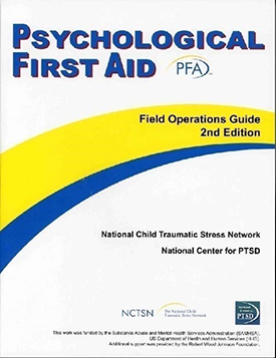
Psychological First Aid (PFA) Field Operations Guide: 2nd Edition [1]

Type: Special Resource

Gives guidance on responding to disaster or terrorism events using the Psychological First Aid intervention. This evidence-informed approach helps to assist children, adolescents, adults, and families in the aftermath of disaster and terrorism.

view [1]
NCTSN Resource

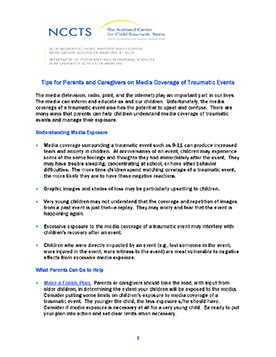
Tips for Parents and Caregivers on Media Coverage of Traumatic Events [2]

Type: Tip Sheet

Provides parents and caregivers with tips on media coverage of traumatic events.

view [2]
Partner-In Resource

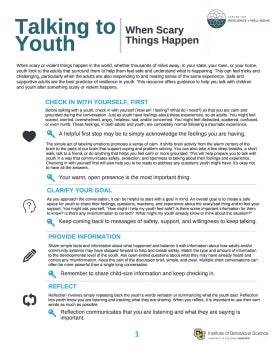
Talking to Youth When Scary Things Happen [3]

Type: Fact Sheet

Offers guidance on talking with children and youth when scary things happen.

view [3]
Partner-In Resource

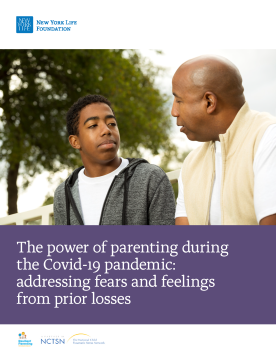
The Power of Parenting During the COVID-19 Pandemic: Addressing Fears and Feelings from Prior Losses [4]

Type: Fact Sheet

Provides caregivers guidance about how to address fears and feelings of prior losses that are coming up during COVID-19. This fact sheet offers information on loss and trauma reminders, coping with separation, and the mind body connection. 

view [4]
Partner-In Resource

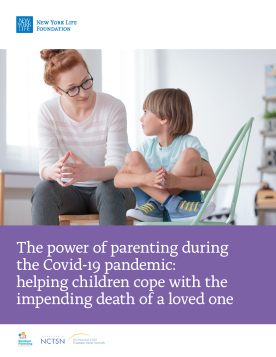
The Power of Parenting During the COVID-19 Pandemic: Helping Children Cope with the Impending... [5]

Type: Fact Sheet

Provides caregivers guidance about how to address the impending death of a loved one due to COVID-19. This fact sheet offers information on anticipating a death, preparing a child for the death, and saying goodbye.

view [5]
Partner-In Resource

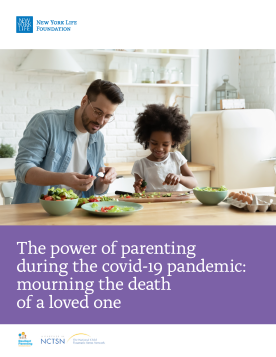
The Power of Parenting During the COVID-19 Pandemic: Mourning the Death of a Loved One [6]

Type: Fact Sheet

Provides caregivers guidance on mourning a death of a loved one due to COVID-19. This fact sheet offers information on saying goodbye when you couldn't be there, understanding developmental differences in behaviors associated with grief, and seeking alternative support if needed.

view [6]
Partner-In Resource

Helping Children Cope with the COVID-19 Pandemic [7]

Type: Fact Sheet

Helps parents and caregivers address their children's concerns and worries arising from the COVID-19 pandemic and the disruptions of normal life that we are experiencing.

view [7]
Partner-In Resource

Understanding & Coping with Reactions in a Pandemic [8]

Type: Fact Sheet

Provides information on understanding and coping with reactions in a pandemic.

view [8]
Partner-In Resource

After the Injury [9]

Type: Website

Helps parents and caregivers understand children's reactions to injuries, and advises them on how they can help children respond in healthy ways.

view [9]
Partner-In Resource

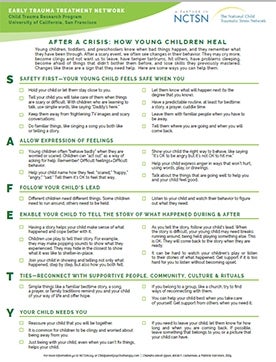
After a Crisis: Helping Young Children Heal [10]

Type: Fact Sheet

Offers tips to parents on how to help young children, toddlers, and preschoolers heal after a traumatic event.

view [10]

Pages

  • FIRST [11]
  • PREVIOUS [12]
  • 1 [11]
  • 2 [13]
  • 3 [14]
  • 4 [12]
  • 5

Source URL:https://www.nctsn.org/what-is-child-trauma/trauma-types/disasters/pandemic-resources?page=4

Links
[1] https://www.nctsn.org/resources/psychological-first-aid-pfa-field-operations-guide-2nd-edition [2] https://www.nctsn.org/resources/tips-parents-and-caregivers-media-coverage-traumatic-events [3] https://www.nctsn.org/resources/talking-to-youth-when-scary-things-happen [4] https://www.nctsn.org/resources/power-of-parenting-during-the-covid-19-pandemic-addressing-fears-and-feelings-from-prior-losses [5] https://www.nctsn.org/resources/power-of-parenting-during-the-covid-19-pandemic-helping-children-cope-with-the-impending-death-of-a-loved-one [6] https://www.nctsn.org/resources/power-of-parenting-during-the-covid-19-pandemic-mourning-the-death-of-a-loved-one [7] https://www.nctsn.org/resources/helping-children-cope-with-the-COVID-19-pandemic [8] https://www.nctsn.org/resources/understanding-and-coping-with-reactions-in-a-pandemic [9] https://www.nctsn.org/resources/after-injury [10] https://www.nctsn.org/resources/after-crisis-helping-young-children-heal [11] https://www.nctsn.org/print/828 [12] https://www.nctsn.org/print/828?page=3 [13] https://www.nctsn.org/print/828?page=1 [14] https://www.nctsn.org/print/828?page=2