
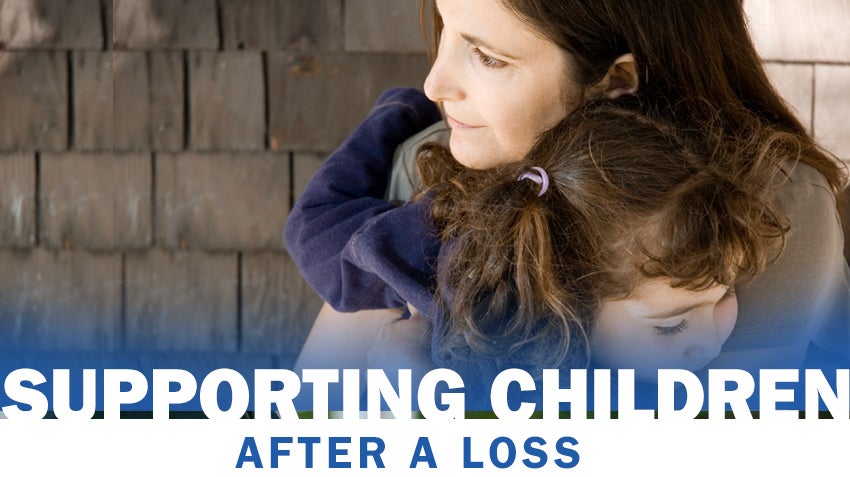
While some children can recover and adjust to life after the death of a loved one, others may experience difficulty with coping and managing their grief. A child’s reaction to loss can vary based on several factors, including their age, developmental level, emotional health before the death, and family and social environment. If these responses are severe and interfere with his or her functioning, a child may be experiencing Childhood Traumatic Grief. The NCTSN offers resources to help parents or caregivers, educators, and mental health providers offer stability, care, and support to children who might be experiencing Childhood Traumatic Grief.
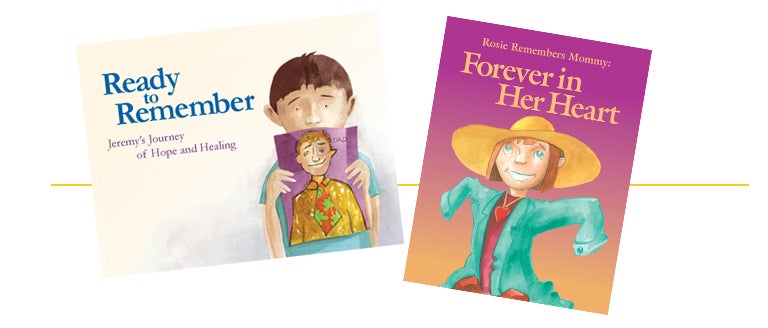
Ready to Remember: Jeremy's Journey of Hope and Healing
Brings to life the grief experiences of Jeremy, a 10-year-old boy, following the tragic death of his father. This story describes Jeremy’s journey as he and his family face new challenges and fears and find ways to cope with their grief. Watch Ready to Remember: Jeremy's Journey of Hope and Healing narrated by Liliana Montenegro or download and read the illustrated book. Available to read and watch in Spanish.
Rosie Remembers Mommy: Forever in Her Heart
Tells the story of Rosie, a young girl who is struggling after the death of her mother. Rosie expresses a variety of feelings, behaviors, and thoughts as she tries to adjust to life and cope. This story illustrates how a parent can provide solace and support to a child after the death of a loved one. Watch Rosie Remembers Mommy: Forever in Her Heart narrated by Liliana Montenegro or download and read the illustrated book. Available to read and watch in Spanish.



Childhood Traumatic Grief Fact Sheet Series
Includes seven fact sheets created to provide readers with an overview of Childhood Traumatic Grief. Each fact sheet is geared towards a different population: parents and caregivers, school personnel, mental health providers, pediatric providers, members of the media, teachers working with children in military families, and parents in the military. Each guide discusses critical Childhood Traumatic Grief topics, including normal grief, the grieving process, psychological trauma, and the effect of traumatic experiences on children.

Sibling Death and Childhood Traumatic Grief: Information for Families
Offers parents and caregivers information about common grief reactions that a child may have when a brother or sister dies. This fact sheet also includes tips that parents can use to help their child cope.
Coping with Unconfirmed Death: Tips for Caregivers of Children and Teens
Unconfirmed death can be traumatic for children. The lack of certainty about the death makes it difficult for children to complete many of the tasks of normal bereavement. This fact sheet offers caregivers advice for helping children deal with the unconfirmed death of a loved one.
The Power of Parenting: How to Help Your Child After a Parent or Caregiver Dies
Offers guidance around helping children cope after the death of a loved one. In this fact sheet, co-developed by parents and professionals, parents and caregivers learn how to help children face new fears, maintain healthy connections, embrace new beginnings or traditions, and seek outside support. Additionally, parents learn the importance of taking care of their own needs.
Traumatic Grief in Military Children Fact Sheet Series
Includes three fact sheets created to provide readers with an overview of traumatic grief in military children, addresses common traumatic grief reactions at various ages along with a look at grief in military families. Each fact sheet is geared towards a different population: educators, families, and medical providers.
Childhood Traumatic Grief Webinar Series
In this webinar series, speakers discuss topics related to Childhood Traumatic Grief (CTG), including how it affects children; and how parents and caregivers, educators, and mental health professionals can help children cope with the loss of a loved one. Viewers gain a deeper understanding of the type of grief responses that are more severe, prolonged, and might interfere with a child's functioning.
- Holidays, Celebrations and Traumatically Bereaved Children
Holidays and other personally meaningful dates can serve as trauma/grief reminders for children. Presenters discuss how parents, teachers, and other adults can recognize and anticipate difficult dates, and offer support to children during this time. This webinar highlights how culture can also dictate children's reactions to reminders and stresses the importance of therapists understanding their clients' culture.
- Schools and Grief: Helping Students Cope with Death
Shares how grief can affect children in a school setting and how educators and school administrators can help students cope with grief following the death of a loved one. Speakers discuss key points related to a child’s grief response, including the impact of developmental level and culture on grief, and how CTG differs from grief.
- Treatment of Childhood Traumatic Grief with Infants, Toddlers, and Preschoolers
In this webinar, Chandra Ghosh Ippen provides an overview of how working with children experiencing grief affects therapists. She provides an understanding of loss from the child and caregivers' perspectives, including a discussion on how traumatic grief affects development. During the presentation, she also discusses assessment and treatment options.
Click to follow NCTSN on social media!

This project was developed by the developed by the NCTSN Core Curriculum Task Force, and funded by the Substance Abuse and Mental Health Services Administration (SAMHSA), US Department of Health and Human Services (HHS).


