
NCTSN Resource
PFA Mobile: Android Version (in Ukrainian)
Type: Mobile App
Lets responders review PFA guidelines and assess their readiness to deliver PFA in the field.

The following resources on child trauma were developed by the NCTSN. To find a specific topic or resource, enter keywords in the search box, or filter by resource type, trauma type, language, or audience.
Lets responders review PFA guidelines and assess their readiness to deliver PFA in the field.

Is a handout from Psychological First Aid Field Operations Guide (PFA). This handout provides parents with common reactions after a disaster, ways to respond to those reactions, and examples of things you can say to your adolescent. Translated 2022.
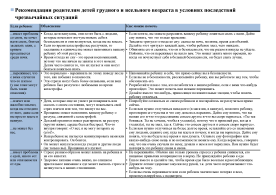
Is a handout from Psychological First Aid Field Operations Guide (PFA). This handout provides parents with common reactions after a disaster, ways to respond to those reactions, and examples of things you can say to your infants or toddlers. Translated 2022.
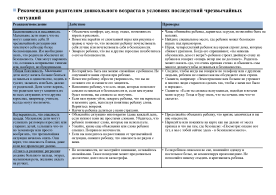
Is a handout from Psychological First Aid Field Operations Guide (PFA). This handout provides parents with common reactions after a disaster, ways to respond to those reactions, and examples of things you can say to your preschool-age child. Translated 2022.
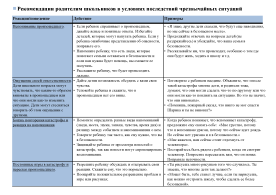
Is a handout from Psychological First Aid Field Operations Guide (PFA). This handout provides parents with common reactions after a disaster, ways to respond to those reactions, and examples of things you can say to your school-age child. Translated 2022.

Is a handout from Psychological First Aid Field Operations Guide (PFA). This handout provides people with common reactions after a disaster, ways to respond to those reactions, and examples of things you can say to another adult. Translated 2022.
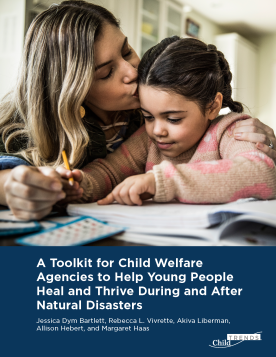
Helps child welfare agencies support children and youth during and after natural disasters. This toolkit is for child welfare staff, supervisors, and administrators who work with and on behalf of children, youth, and families who experience a natural disaster.
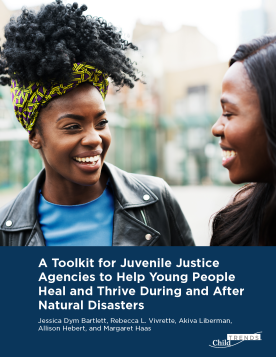
Helps juvenile justice agencies support children and youth during and after natural disasters. This toolkit is for juvenile justice staff, supervisors, and administrators who work with and on behalf of children, youth, and families who experience a natural disaster.
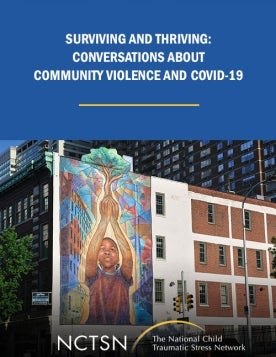
Provides perspectives on the institutional responses to the links between community violence and COVID-19 including law enforcement, juvenile justice, national disaster, and mental health systems.
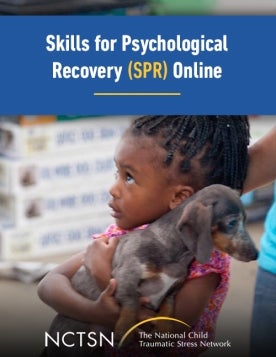
Aims to help survivors gain skills to manage distress and cope with post-disaster stress and adversity. This course utilizes skills-building components from mental health treatment that have been found helpful in a variety of post-trauma situations.

Offers activity ideas to parents and caregivers whose families are sheltering in place, evacuating their homes, or social distancing due to any type of disaster or event.

Gives guidance on responding to disaster, violence, or terrorism events using the Skills for Psychological Recovery intervention. This approach helps to assist children, adolescents, adults, and families in the aftermath of disaster and terrorism.