Understanding and Addressing the Intersection of Substance Use and Child Trauma: Introduction
Provides an overview of the connection between child trauma and substance use and how these experiences can impact youth, families, and communities.
The following resources on child trauma were developed by the NCTSN. To find a specific topic or resource, enter keywords in the search box, or filter by resource type, trauma type, language, or audience.

Provides an overview of the connection between child trauma and substance use and how these experiences can impact youth, families, and communities.

Provides child welfare professionals with guidance on addressing the intersection of caregiver substance use and child trauma

Aids healthcare providers to recognize how trauma and substance use intersect and affect the health and development of children and adolescents in medical settings.

Helps juvenile justice professionals understand how trauma and substance use can influence youth behavior and involvement in the justice system.

Supports mental health professionals in understanding the complex relationship between trauma exposure and substance use among youth and families.

Helps school professionals understand how trauma and substance use can affect students’ behavior, learning, and well-being within school settings.
Date: January 15, 2026
Author: Sameena Siddiqui
Time: 3 minute read
Date: February 13, 2026
Author: Isaiah B. Pickens
Time: 10 minute read

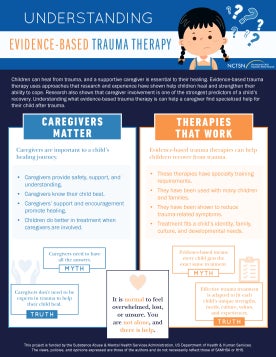
Helps families understand what trauma-informed care looks like in practice and supports caregivers in preparing for conversations that center safety, collaboration, and their child’s strengths.

Introduces trauma-informed care and explains how recognizing the impact of trauma helps create safe, supportive environments for children, families, and providers.
Introduces learners to the symptoms of Childhood Traumatic Grief (CTG) and Prolonged Grief Disorder (PGD). It explores how cultural and religious rituals, holidays, school events, and personal anniversaries can both support and challenge grieving children.
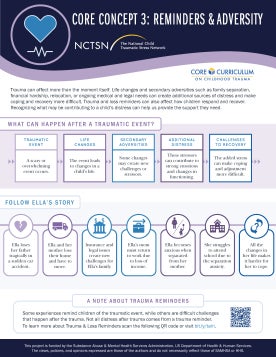
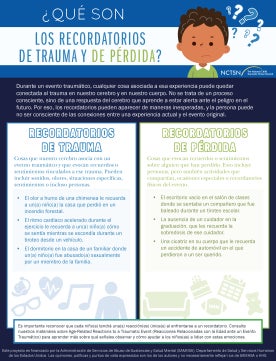
Explains how everyday sights, sounds, and experiences can unexpectedly trigger memories or emotions tied to trauma or loss. Helps caregivers understand these reminders and recognize how they may show up differently for each child.